
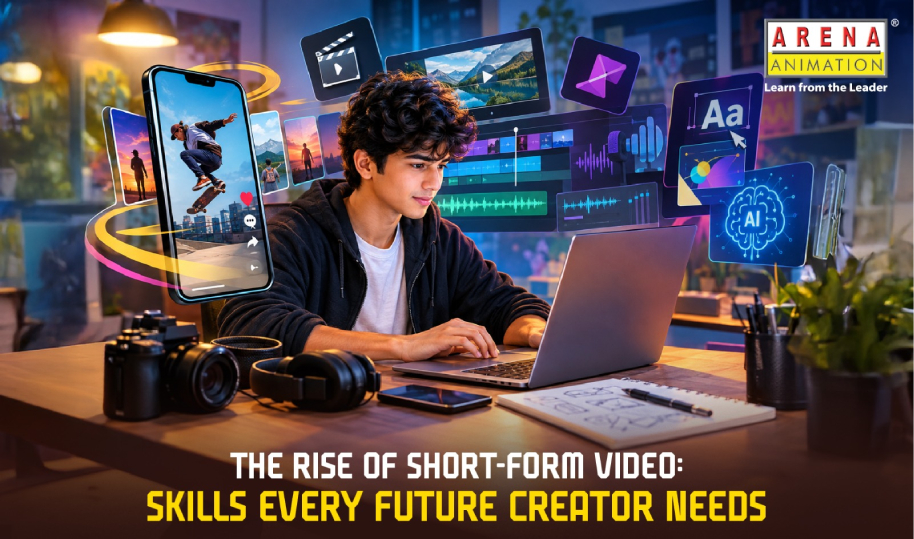
The Rise of Short-Form Video: Skills Every Future Creator Needs...
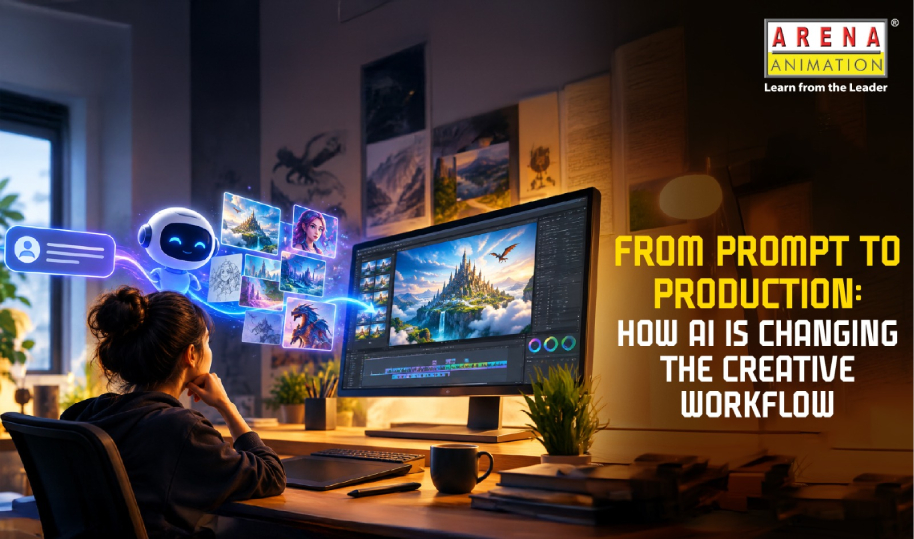
From Prompt to Production: How AI Is Changing the Creative Workflow...
Perspectives 2026: Exploring the Future of Creative Careers in Animation, VFX, Gaming & Digital Desi...
The Edupreneur’s Advantage: How Opening An Arena Animation Franchise Delivers High-Yield Business Gr...
Real-Time Worlds: How An Unreal Engine Course Unlocks Careers In Gaming, Film Sets, And Virtual Real...
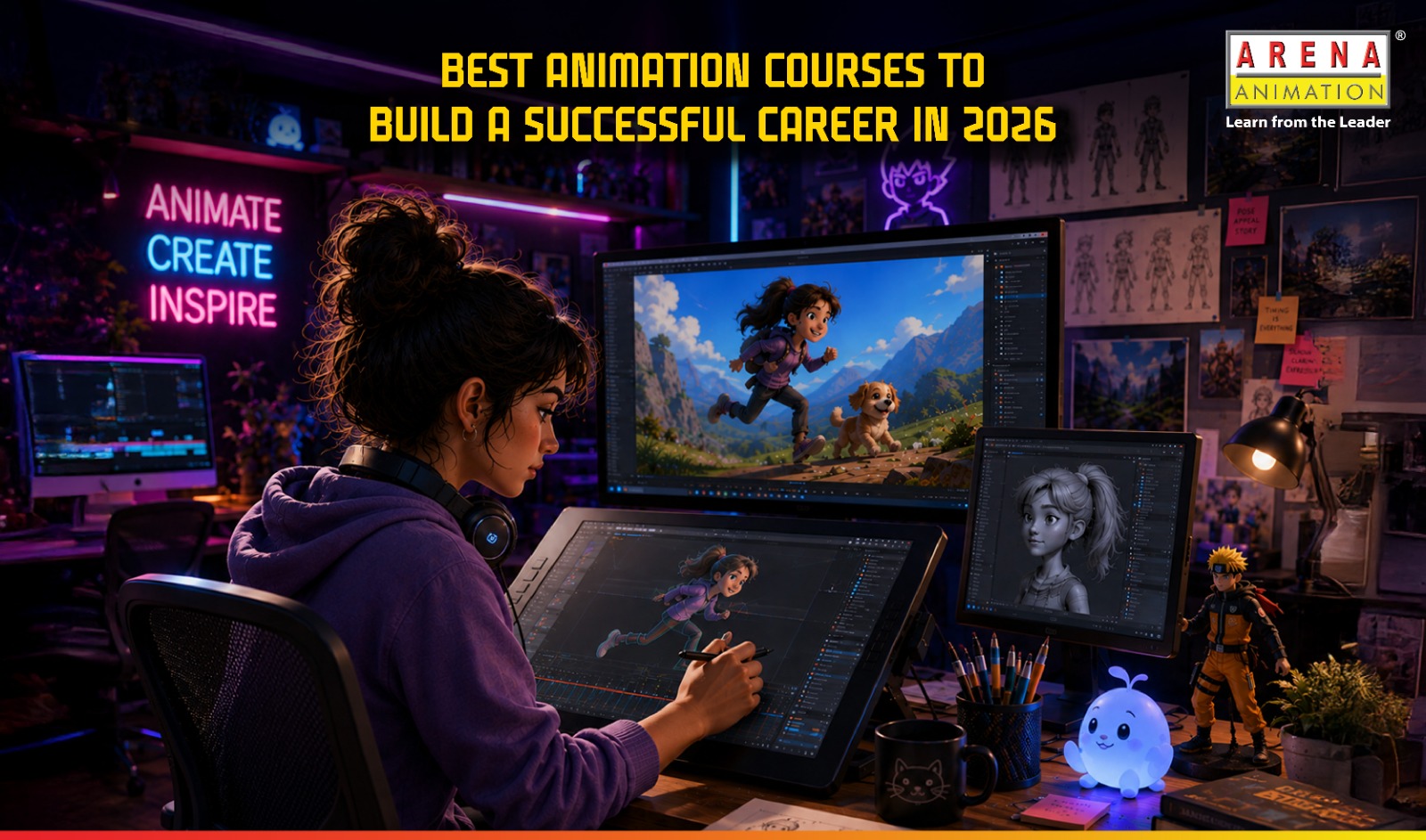
Best Animation Courses to Build a Successful Career in 2026
Somewhere in the middle of searching for animation courses, things start to blur. One course sounds a lot like the other. Same tools, same claims, same outcomes. It becomes less about choosing and more about trying to make sense of what will actually work for you.
If you are thinking about building something long term, the course you pick does shape the way you learn. Not in an obvious way, but in how comfortable or confused you feel a few months into it.
What You Notice After a While
At the beginning, most people judge the best animation courses by what software is included. It feels like the most practical way to decide.
After a point, that stops mattering as much.
What starts to matter is how the course is paced. Whether you are given time to understand something or just asked to move on to the next thing. Some courses feel fast and exciting early on, but harder to keep up with later.
Others feel slow in the beginning. You spend time on basics that do not look impressive. But that is usually where things begin to make sense.
At Arena Animation, the learning is structured in a way that builds gradually. For example, a student may begin by learning basic design principles and simple animation techniques, then slowly move towards character animation, VFX, editing or 3D projects. You do not realise it immediately but over time, the pieces start connecting.
Animation Course Duration
Animation course duration looks like a simple factor when you are comparing options. A few months versus a year or more.
In reality, it affects how you experience the course.
Shorter courses tend to move quickly. You cover more in less time but it can feel rushed if you are new to the field. Longer programs give you more space to practise, repeat and improve.
There is no fixed ideal length. It depends on how much time you can give and how comfortable you are learning at a certain pace.
Sometimes a shorter course works as a starting point. Sometimes a longer one helps you settle into the process.
Where Things Slow Down
2d animation courses are often where people begin, even if they plan to move into 3D later.
This stage can feel repetitive. Simple exercises, small movements, a lot of correction. It may not feel exciting at first.
But this is where you start noticing details. How a slight delay changes a movement or how spacing affects speed. These things are easy to overlook but hard to ignore once you see them.
Courses at Arena Animation usually begin here, which is why many students find it easier to handle more complex work later.
Getting Used to a Different Pace
Moving into 3d animation courses changes the rhythm a bit.
Now there is more setup involved. Models, rigs, camera angles. You are not just animating, you are preparing the entire scene.
It can feel like progress has slowed down, but it is really just a different kind of process. Once you get used to it, it becomes easier to manage.
This is also where the work starts feeling closer to what you see in films or games.
Long Term Animation Course
Animation degree courses usually take more time, and that changes the way you learn.
There is more room to explore. You are not rushing through topics. You revisit concepts, improve on earlier work and get a broader understanding of the field.
For some people, this feels more stable. For others, it can feel like a long commitment.
It comes down to how you prefer to learn and how much time you are willing to invest from the start.
Short Term Animation Course
A short term animation course works differently.
It is often chosen by people who want to try things out without committing for too long. It gives you a basic idea of how animation works and whether you enjoy the process.
Since the time is limited, it moves quickly. That means you may need to practise more on your own to keep up.
It works well as a beginning, but most people who continue usually build on it later.
Animation Career Scope
The animation career scope becomes clearer once you spend some time learning.
It is not limited to one area. Films, gaming, advertising, online content, all of these use animation in different ways.
There is more work being created now than before, especially with digital platforms growing. That brings more opportunities, but also higher expectations.
What stands out over time is not just skill but consistency. The people who keep improving tend to move forward.
Final Thoughts
Choosing from the best animation courses is not about finding the perfect option. It is about finding something that feels manageable and keeps you engaged.
Some people prefer longer courses because they offer more time. Others start small and build gradually. Both approaches can work.
What matters more is how you stay with it. The learning becomes clearer over time, often in small steps that only make sense when you look back.
FAQs
1. What are the best animation courses for beginners?
The best animation courses for beginners are those that focus on fundamentals, include practical work, help students build a strong portfolio and offer placement support to prepare them for industry opportunities.
2. What is the ideal animation course duration?
The ideal animation course duration depends on the goals of the student. Short-term courses may last a few months and focus on specific skills while long- term programs can extend up to 4 years for in-depth training and industry exposure.
3. Are 2D animation courses still useful?
Yes, 2d animation courses help build core principles that are used across different types of animation.
4. What is the difference between 2D and 3D animation courses?
2d animation courses focus on basic movement and flat visuals, while 3d animation courses involve models, environments and more detailed workflows.
5. What is the animation career scope in 2026?
The scope of a career in animation continues to grow across films, gaming, advertising, OTT platforms and digital content.
STUDENT ENQUIRY
Join Arena Animation and turn your creative passion into a thriving career. Your story could be the next success we celebrate.

Did you find the information you were looking for?

At Arena Animation, we craft innovative digital solutions, empowering creativity and driving growth through cutting-edge animation and design expertise.